Amaravati Legend Game

AMARĀVATI The Great Saga ఒక అద్భుత గాథ

An Ancient Sacred & Historical Saga collected for Amarā Game "అమర" గేమ్‌ కోసం సేకరించిన పవిత్ర ప్రాచీన మరియు చారిత్రక గాథ
Amarāvati Saga – Scene 1

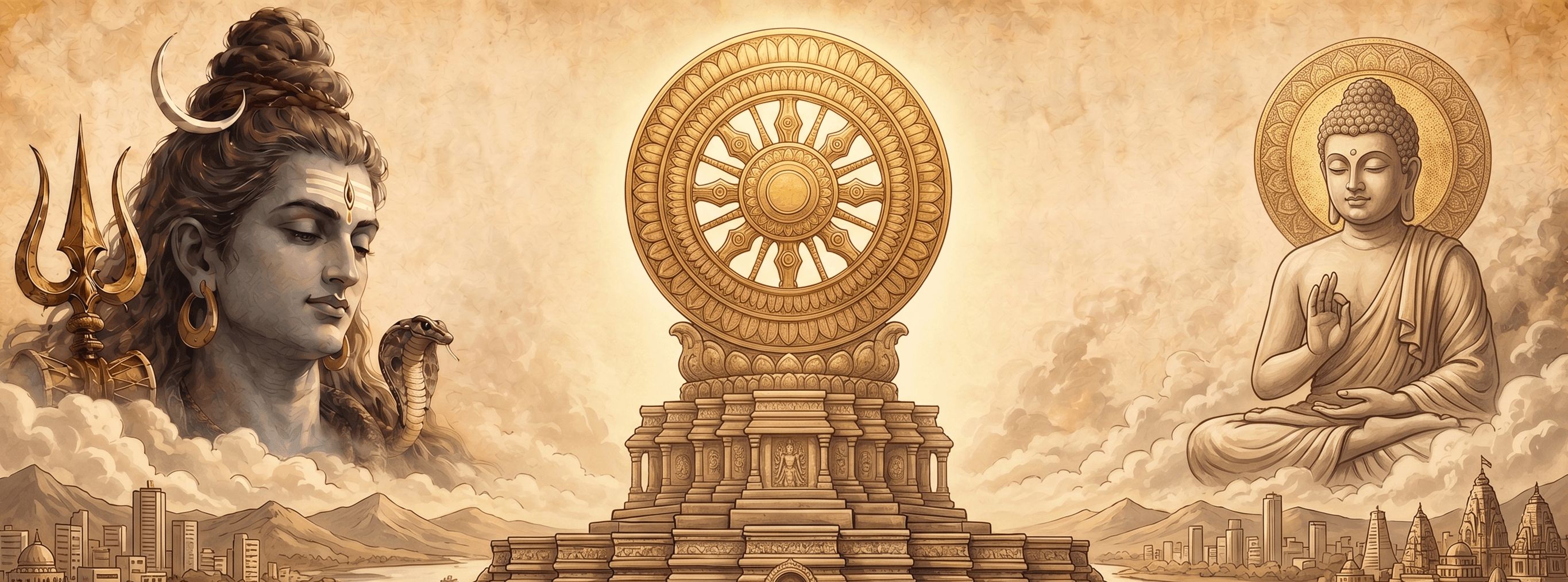
Where a Lord Shiva's shattered nectar-linga fell across five shrines, where the Buddha set the very first Wheel of Time, that land of white limestone Buddhist manuments and precious diamonds were found, and where the Krishna river carrying thousands of years living memories. మహాదేవుని అమృతలింగం ఐదు క్షేత్రాలలో పడిన నేల, బుద్ధుడు కాలచక్ర తంత్రాన్ని తొలిసారి బోధించాడని చెప్పబడే నేల - తెల్లని సున్నపురాయి బౌద్ధ స్తూపాలు మరియు అమూల్యమైన వజ్రాలు వెలసిన నేల, వేల సంవత్సరాల చరిత్రను తన ఒడ్డున సజీవంగా మోస్తున్న కృష్ణానది తీరం.

Step Into the River of Time కాల ప్రవాహంలోకి అడుగుపెట్టండి Amaravati Legend Game
Section I

Mystical and Ancient Land ప్రాచీన అతీంద్రియ భూమి

Amarāvati Saga – Scene 1
Chapter 1

Lord Sri Rama heard from Sage Valmiki శ్రీరామునికి వాల్మీకి నివేదించిన గాధ

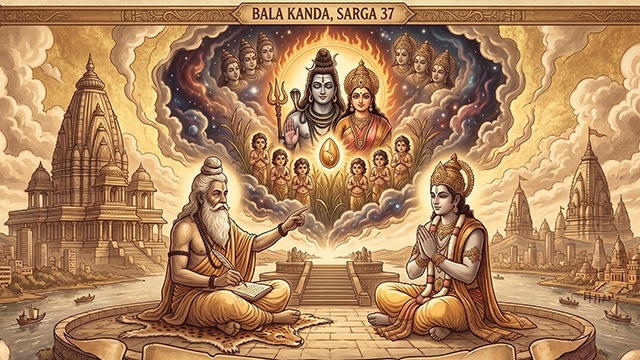
In Treta Yuga, “Sage Viswamitra narrates Skandotpatti - the birth and origin of Lord Kumara Swamy (also known as Skanda or Kartikeya) to Lord Rama”, which is famously detailed in the Valmiki Ramayana (Bala Kanda, Sarga 37).

త్రేతాయుగంలో, "విశ్వామిత్ర మహర్షి శ్రీరామునికి స్కందోత్పత్తి - కుమారస్వామి (స్కందుడు లేదా కార్తికేయుడు) జన్మ మరియు మూలాలను వివరించారు," ఇది వాల్మీకి రామాయణంలో (బాలకాండ, సర్గ 37) వివరంగా పేర్కొనబడింది.
Amarāvati Saga – Scene 1
Chapter 2

Demon Tarakasura తారకాసురుడు

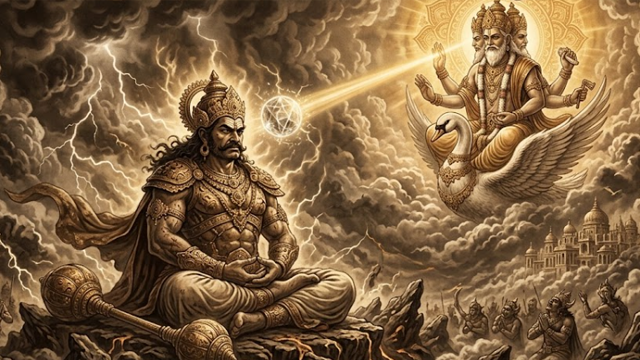
Tarakasura, a major asura in Hindu mythology did great penance in Madhuvana (an ancient sacred forest traditionally identified near Mathura in present-day Uttar Pradesh), and gains a boon from Lord Brahma through severe penance that no one should kill him except Shiva’s son, assuming that Siva always be in meditation and has no interest on marital affairs, after demise of Sati Devi.

హిందూ పురాణాలలో ముఖ్యమైన అసురుడైన తారకాసురుడు మధువనంలో (ప్రస్తుత ఉత్తరప్రదేశ్‌లోని మథుర వద్ద ఉన్న ప్రాచీన పవిత్ర అడవి) ఘోర తపస్సు చేసి - పరమశివుడు సతీదేవి మరణం తరువాత ఎప్పుడూ ధ్యానంలో ఉంటున్నాడు కనుక, వివాహ వ్యవహారాలపై ఆసక్తి ఉండదు అని భావించి, శివుని కుమారుడు తప్ప ఇతరెవరూ తనను చంపకూడదని బ్రహ్మదేవుని నుండి వరము పొందుతాడు.

Amarāvati Saga – Scene 1
Chapter 3

The Gift of the Nectar Linga అమృతలింగ ప్రసాదం

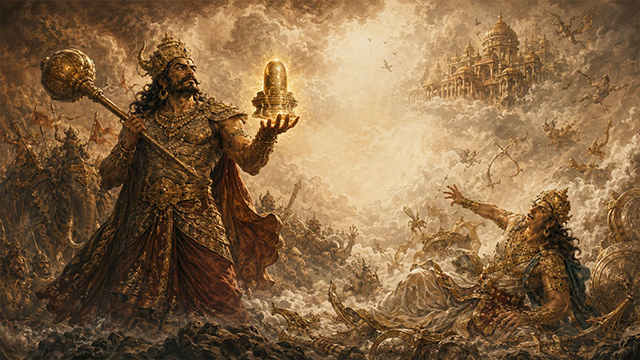
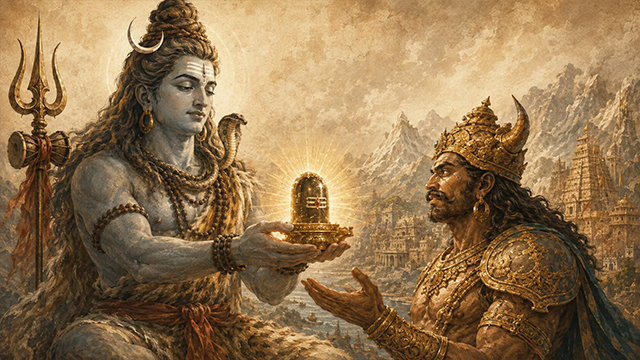
On a slope of Madhuvana mountain - the demon-king Tarakasura performed fierce penance to win Shiva's favour. Pleased, Shiva appeared and hung a linga filled with amrita - the nectar of immortality - around the demon's neck, granting him a body no weapon could destroy.

తారకాసురుడు మధువన పర్వతపు వాలులో పరమశివుని మెప్పించడానికి తీవ్ర తపస్సు చేశాడు. మెచ్చిన శివుడు ప్రత్యక్షమై అమృతంతో నిండిన లింగాన్ని అతని మెడలో ధరింపజేసి, అస్త్రశస్త్రాలకు లొంగని దేహాన్ని ప్రసాదించాడు.

Amarāvati Saga – Scene 1
Chapter 4

Occupation of Amaravati అమరావతి ఆక్రమణ

Made unconquerable, Tarakasura turned on the gods themselves. He marched on Indra's heaven, overthrew its defenders in battle, and seized their capital city - the celestial Amaravati - for his own throne.

అజేయుడైన తారకాసురుడు దేవతలపైనే యుద్ధానికి తలపడ్డాడు. ఇంద్రుని స్వర్గలోకంపై దండెత్తి, దేవతలను ఓడించి, వారి రాజధాని అమరావతిని ఆక్రమించుకున్నాడు.

Amarāvati Saga – Scene 2
Chapter 5

Amaravati - the Abode of Gods అమరావతి నామకరణం

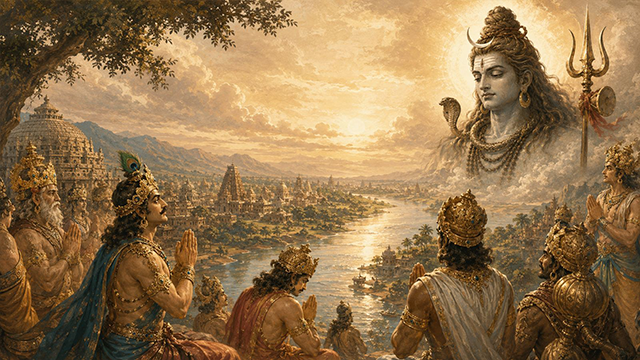
Driven from their home, the scattered devas fled to a stretch of land on the Krishna river near Dhanyakataka and took refuge in prayer to Shiva. Vishnu himself counselled Indra to seek the great god Shiva's help - and the land where the gods sheltered took the name of their lost city, Amaravati.

నిలయం కోల్పోయిన దేవతలు ధాన్యకటకం సమీపాన కృష్ణా నదీ తీరానికి చేరి, శివుని శరణువేడారు. విష్ణువు ఇంద్రుడికి శివుని ఆరాధించమని సూచించాడు - దేవతలు ఆశ్రయం పొందిన ఆ నేలకే అమరావతి అనే పేరు స్థిరపడింది.

Amarāvati Saga – Scene 3
Chapter 6

Prayer for the chief Commander of gods దేవతల సేనానికొరకు ప్రార్ధన

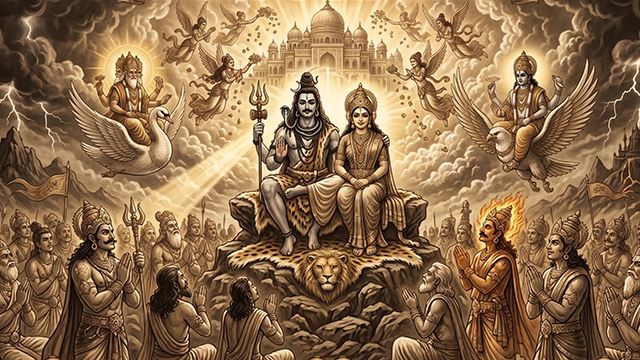
Devatas prayed a lot to Lord Shiva to marry Parvati Devi for creation of his son. In answer, Shiva married Parvati Devi and sent forth his radiance through her, and from its sparks was born Kartikeya.

పరమశివుడి కుమారుడి సృష్టి కోసం పార్వతీ దేవిని వివాహం చేసుకోమని దేవతలు ఆయన్ని ఎంతో ప్రార్థించారు. శివుడు కాలక్రమేణా పార్వతిని వివాహమాడాడు మరియు వారి దివ్య శక్తి నుండి కార్తికేయుడు జన్మించాడు.

Amarāvati Saga – Scene 4
Chapter 7

Kartikeya: The God of war దేవసేనాని కార్తికేయ

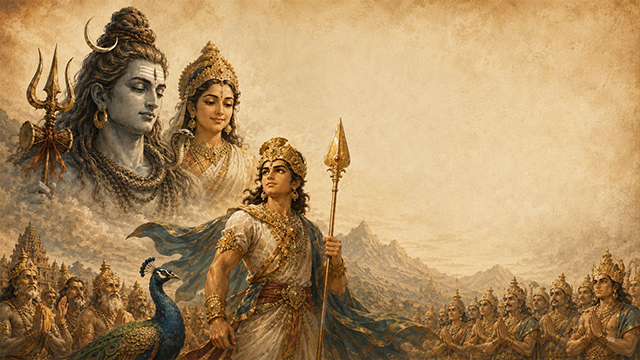
Marked from birth for a divine purpose, the child grew swiftly into a warrior destined to lead the army of the gods.

వారి దివ్య సంతానంగా జన్మించిన దేవాంశ సంభూతుడైన కార్తికేయుడు సరైన సమయంలో దేవసేనకు నాయకత్వం వహించడానికి శక్తివంతమైన యోధుడిగా పెరిగాడు.

Amarāvati Saga – Scene 5
Chapter 8

The Shattering of the Linga అమృతలింగ ఖండనం

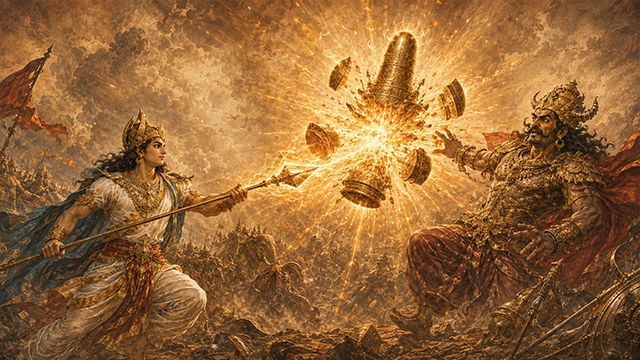
Lord Shiva deputed Kartikeya (the son of Shiva) to lead the Army of Gods whereas even after the fierce battle, Tarakasura was invincible due to the Shiva Linga around his neck. Acting on Vishnu's advice, knowing the Amrita Lingam alone shielded the demon-king, Kartikeya used his Agneyastra to shatter the Amrutalinga. The relic of immortality shattered into five burning fragments - and with it, Tarakasura's reign over the heavens ended.

శివుడు తన కుమారుడైన కార్తికేయుడిని దేవసేనకు నాయకత్వం వహించడానికి పంపాడు, అయితే భీకర యుద్ధం తరువాత కూడా తన మెడలో ఉన్న శివలింగం కారణంగా తారకాసురుడు అజేయుడిగా ఉన్నాడు. విష్ణువు సలహా మేరకు, అమృతలింగాన్ని ముక్కలు చేయడానికి కార్తికేయుడు తన ఆగ్నేయాస్త్రాన్ని ఉపయోగించాడు. అమృతలింగం ఐదు ముక్కలుగా విడిపోయి తారకాసురుడి అజేయత్వాన్ని దెబ్బతీసింది. దీంతో కార్తికేయుడు ఆ రాక్షస రాజును ఓడించి, తన జన్మ ప్రయోజనం నెరవేర్చాడు.

Amarāvati Saga – Scene 6
Chapter 9

The Rise of the Pancharamas పంచారామ క్షేత్రాల ఆవిర్భావం

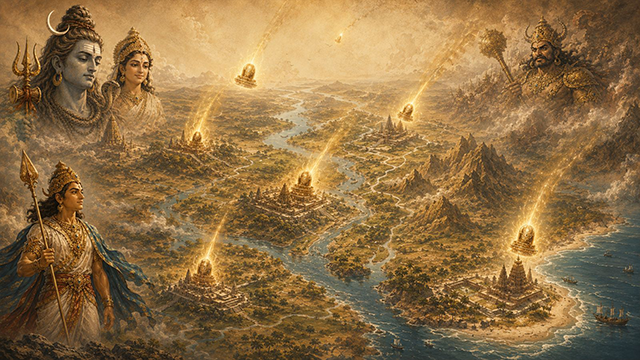
The five fragments of the linga are said to have fallen across five different sites in present-day Andhra Pradesh: Amaravati, Bhimavaram, Palakollu, Samarlakota, and Draksharamam. These five locations still exist in Andhra Pradesh and together they are revered as the Pancharama Kshetras, drawing pilgrims by the hundreds of thousands each year till today.

లింగం యొక్క ఐదు ముక్కలు ఆంధ్రప్రదేశ్‌లోని ఐదు వేర్వేరు ప్రాంతాల్లో పడ్డాయని ప్రతీతి - అమరావతి, భీమవరం, పాలకొల్లు, సామర్లకోట, ద్రాక్షారామం. ఇవి నేటికీ ఆంధ్రప్రదేశ్‌లోనే ఉన్నాయి. ఈ ఐదు వేర్వేరు ప్రాంతాలలో పడిన ఈ భూమి అత్యంత పవిత్రమైనదిగా మారింది. వీటినే పంచారామ క్షేత్రాలుగా కొలుస్తారు, ఏటా లక్షలాది భక్తులు దర్శిస్తారు.

Amarāvati Saga – Scene 7
Chapter 10

The Consecration of the Five Shrines పంచారామ క్షేత్రాల ప్రతిష్ఠ

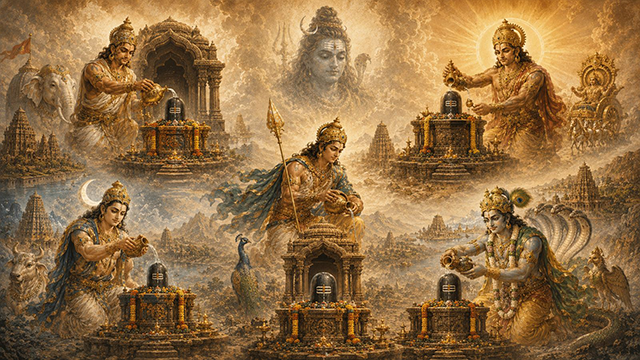
Tradition holds that Indra, Surya, Chandra, Vishnu, and Kartikeya himself each installed one fragment of the shattered linga at its resting place - consecrating the ground with such devotion that it remains sanctified to this day.

ఇంద్రుడు, సూర్యుడు, చంద్రుడు, విష్ణువు మరియు కార్తికేయుడు - ఒక్కొక్కరు ఒక్కో లింగ ఖండాన్ని భక్తిశ్రద్ధలతో సంబంధిత ప్రాంతంలో ప్రతిష్ఠించారని ప్రతీతి, ఆ నేల నేటికీ పవిత్రంగా నిలిచింది.

Section II

The Ancient Buddhist Age.. (The wheel of time turned again at Krishna river bank) ప్రాచీన బౌద్ధ యుగం
(ఆ కాలచక్రం మళ్ళీ సరిగ్గా ఇదే నదీతీరంలో తిరిగింది)

Amarāvati Saga – Scene 8
Chapter 11

A King's Plea from Shambhala శంభాల రాజు సుచంద్రుని అభ్యర్థన

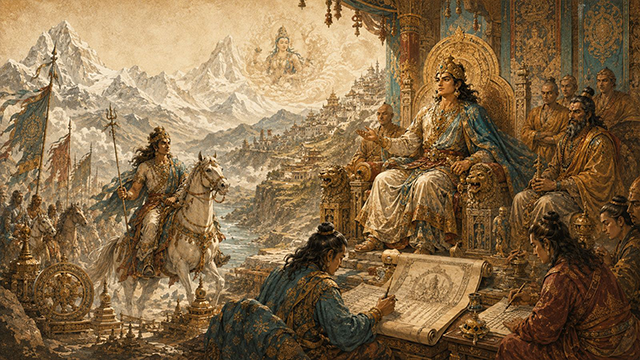
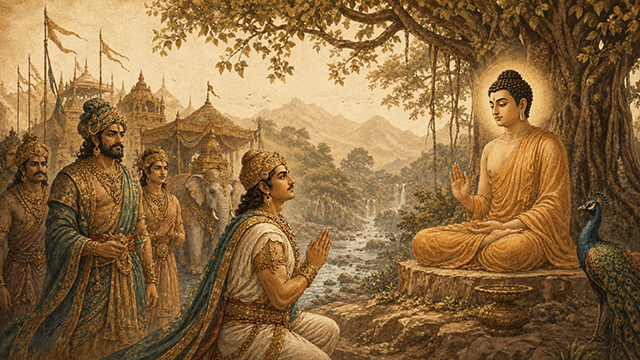
Centuries turned. Approximately 2600 years ago from now, in Tibetan legend, Suchandra - king of the mythic realm of Shambhala - asked the Buddha for a path by which rulers and householders might walk the dharma without forsaking their worldly duty.

ఇప్పటికి సుమారు 2600 సంవత్సరాల క్రితం, టిబెటన్ బౌద్ధ సంప్రదాయం ప్రకారం, శంభాల అనే పౌరాణిక రాజ్యానికి రాజైన సుచంద్రుడు, లౌకిక నాయకులు తమ బాధ్యతలను మరియు ప్రాపంచిక జీవితాన్ని వదులుకోకుండానే ఆధ్యాత్మికతను ఆచరించేలా ధర్మాన్ని బోధించాలని శాక్యముని బుద్ధుడిని (గౌతమ బుద్ధుడిని) కోరాడు.

Amarāvati Saga – Scene 9
Chapter 12

Buddha Manifested at Dhanyakataka ధాన్యకటకంలో అవతరణ

In answer to Suchandra, the Buddha travelled not to Shambhala but to Dhanyakataka - the very land the devas had once sanctified beside the Krishna - and there, beneath its trees, gave his first teaching of a new path. There are two main paths of practices available in Buddhism: Mahayana - Uses open practices like seated meditation (such as Zen), chanting, studying sacred texts, and devotional acts; and Vajrayana - Uses secret or specialized tantric techniques passed down directly from a teacher to a student.

రాజైన సుచంద్రుని అభ్యర్థన మేరకు, బుద్ధుడు శంభలలో కాకుండా భారతదేశంలోని ధాన్యకటకంలో (ఆధునిక ఆగ్నేయ భారతదేశంలోని అమరావతి ప్రాంతంలో) అవతరించాడు. బౌద్ధమతంలో ప్రధానంగా రెండు రకాల ఆచరణ మార్గాలు ఉన్నాయి: మహాయానం - కూర్చుని చేసే ధ్యానం (ఉదాహరణకు 'జెన్'), మంత్రోచ్ఛారణ, పవిత్ర గ్రంథాల అధ్యయనం మరియు భక్తిపూర్వక ఆచరణల వంటి బహిరంగ పద్ధతులను అనుసరిస్తుంది. వజ్రయానం - గురువు నుండి శిష్యుడికి నేరుగా అందించబడే రహస్య లేదా విశిష్టమైన తాంత్రిక పద్ధతులను ఉపయోగిస్తుంది.

Amarāvati Saga – Scene 10
Chapter 13

The Kalachakra కాలచక్రం

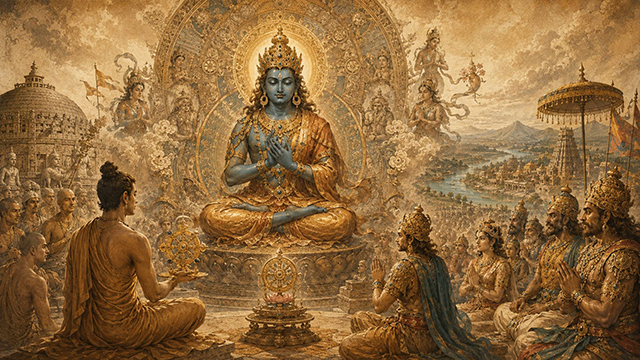
Manifesting as the deity Kalachakra, the Buddha turned the Wheel of Time on this soil, granting the first Kalachakra initiation to Suchandra - a teaching that travelled from Amaravati to every corner of the Buddhist world. Kalachakra tantra belongs to Vajrayana tradition. The sacred land of Amaravati again gained spiritual energy through this initiation.

బుద్ధుడు కాలచక్ర దేవుడిగా అమరావతిలో అవతరించి, కాలచక్ర తంత్రంలో మొదటి బోధనలను, సాధనా అధికారాలను సుచంద్రునికి ప్రసాదించాడు. ఆయన బోధ అమరావతి నుండి బౌద్ధ ప్రపంచంలోని ప్రతి మూలకు బోధ వ్యాపించింది. కాలచక్ర తంత్రం వజ్రయాన సంప్రదాయానికి చెందినది. ఈ దీక్ష ద్వారా అమరావతి పవిత్ర భూమి మరొకసారి ఆధ్యాత్మిక శక్తిని గ్రహించింది.

Amarāvati Saga – Scene 11
Chapter 14

Acharya Nagarjuna ఆచార్య నాగార్జునుడు

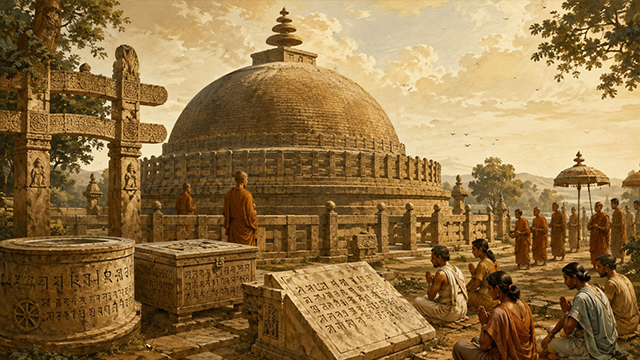
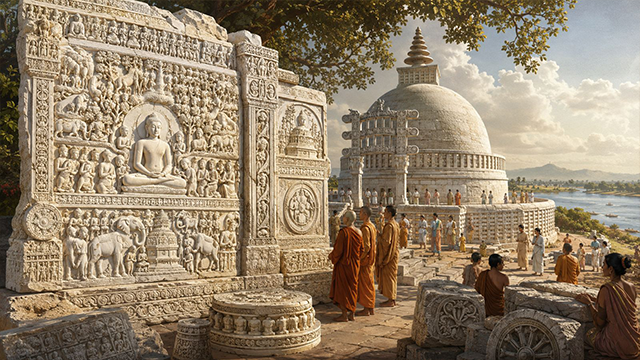
Acharya Nagarjuna, a great philosopher of the 2nd century CE and the founder of the Madhyamaka school of philosophy, lived and taught in the lower Krishna River valley region of Andhra Pradesh. The profound logical theory he propounded regarding emptiness became the foundation of Mahayana Buddhism. Amaravati flourished as a rare confluence of devotion, Shaivite and Buddhist worship rising side by side along the same riverbank, its great stupa drawing pilgrims, scholars, and kings alike.

క్రీ.శ. 2వ శతాబ్దానికి చెందిన గొప్ప తత్వవేత్త, మాధ్యమిక తత్వశాస్త్ర వ్యవస్థాపకుడైన ఆచార్య నాగార్జునుడు ఆంధ్రప్రదేశ్‌లోని దిగువ కృష్ణా నదీ లోయ ప్రాంతంలో నివసించి, బోధనలు చేశారు. శూన్యతపై ఆయన అందించిన లోతైన తార్కిక సిద్ధాంతం మహాయాన బౌద్ధమతానికి పునాదిగా మారింది. భక్తికి అరుదైన సంగమంగా అమరావతి విలసిల్లింది; ఒకే నదీ తీరంలో శైవ, బౌద్ధ ఆరాధనలు పక్కపక్కనే విలసిల్లగా, దాని గొప్ప స్థూపం యాత్రికులను, పండితులను, రాజులను ఒకేలా ఆకర్షించింది.

Amarāvati Saga – Scene 12
Chapter 15

Emperor Ashoka Era:
Mouryan Empire
చక్రవర్తి అశోక శకం - మౌర్య సామ్రాజ్యం

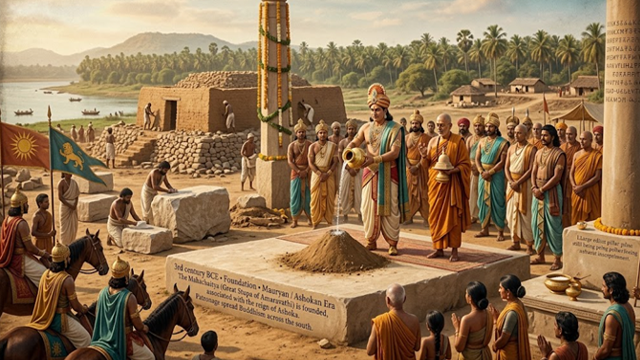
3rd century BCE · Foundation (Mauryan / Ashokan era). The Mahachaitya (great stupa of Amaravathi) is founded in the 3rd-2nd centuries BCE, associated with the reign of Ashoka, whose patronage spread Buddhism across the south. Construction begins in the 3rd century BCE during the Mauryan period, and the site is notable for yielding evidence of Ashokan-era activity. The earliest stupa is a relatively simple brick structure

క్రీ.పూ. 3వ శతాబ్దం · పునాది (మౌర్య / అశోకుని యుగం). అమరావతి మహాచైత్యం (గొప్ప స్థూపం) క్రీ.పూ. 3వ-2వ శతాబ్దాల మధ్య స్థాపించబడింది. ఇది దక్షిణ భారతదేశం అంతటా బౌద్ధమతాన్ని వ్యాప్తి చేసిన అశోక చక్రవర్తి పాలనాకాలంతో ముడిపడి ఉంది. మౌర్య కాలంలో క్రీ.పూ. 3వ శతాబ్దంలోనే ఇక్కడ నిర్మాణం ప్రారంభమైంది. అశోకుని నాటి ఆధారాలు లభించిన ప్రముఖ ప్రదేశాలలో ఇది ఒకటి. ప్రారంభంలో నిర్మించిన స్థూపం సాపేక్షంగా చాలా సాధారణమైన ఇటుకల నిర్మాణం.

Amarāvati Saga – Scene 13
Chapter 16

Ancient Voices Carved in Stone రాతిపై చెక్కబడిన "ప్రాచీన" స్వరాలు

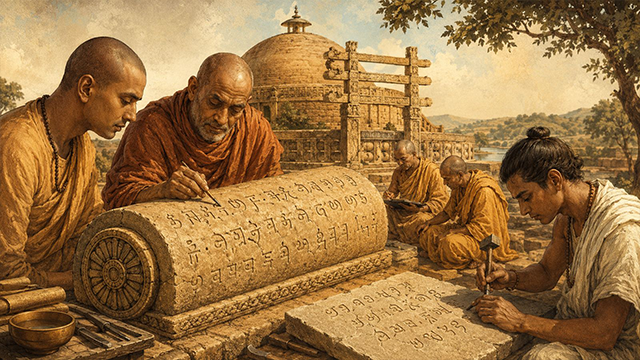
At nearby Bhattiprolu, stone reliquaries preserved not only sacred relics but some of the oldest surviving inscriptions in South India - a script carved to outlast the empire that wrote it.

భట్టిప్రోలు లిపిని దక్షిణ భారతదేశంలో ఒక పునాది రాయి లాంటి మూల లిపిగా భాషావేత్తలు భావిస్తారు. సమీపంలోని భట్టిప్రోలు స్థూపం - “మొదటి లిపి” (First Script) లక్ష్యానికి ఆధారమైనది - దాదాపు ఈ కాలానికే చెందినది, ఇది దక్షిణ భారతదేశంలోని అత్యంత ప్రాచీన బౌద్ధ క్షేత్రాలలో ఒకటి

Amarāvati Saga – Scene 14
Chapter 17

The Bhattiprolu Script భట్టిప్రోలు లిపి

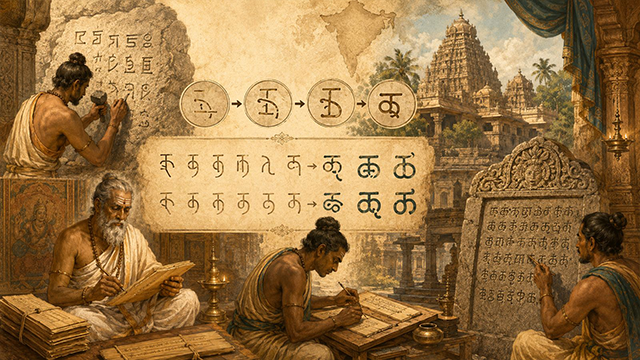
Dated between the 3rd and 1st centuries BCE, the Bhattiprolu script is recognised as a foundational ancestor of the Telugu-Kannada writing systems, which was named as Kadamba script - the quiet root of a language still spoken today.

ఆంధ్రప్రదేశ్‌లోని భట్టిప్రోలు వద్ద ఉన్న ఒక ప్రాచీన బౌద్ధ స్థూపంలో, రాతి ధాతువులపై లభించిన భట్టిప్రోలు లిపి క్రీ.పూ. 3వ శతాబ్దం నుండి 1వ శతాబ్దం మధ్య కాలానికి చెందినది. క్రీ.శ. 4వ-5వ శతాబ్దాల కాలంలో దీని నుండి నేరుగా ఉద్భవించిన దక్షిణ ప్రాంతీయ ఉమ్మడి తెలుగు-కన్నడ లిపి కుటుంబంగా రూపాంతరం చెందడంలో కదంబలిపి ఒక కీలకమైన ప్రాచీన మూలంగా పరిగణించబడుతుంది.

Amarāvati Saga – Scene 15
Chapter 18

A Teaching Without Borders ప్రపంచవ్యాప్త వ్యాప్తి

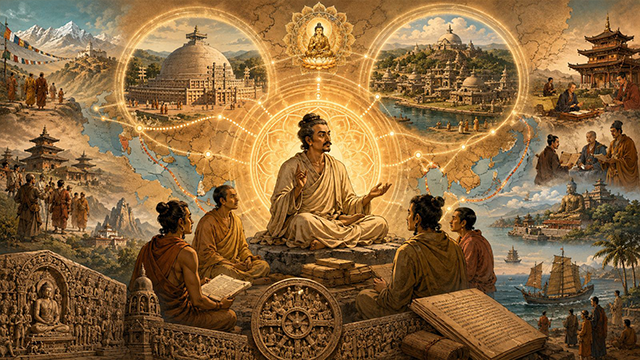
From the stupas of Dhanyakataka, the Mahayana and Vajrayana teachings born on this soil carried outward by land and by sea - reaching Tibet, China, and the far shores of Southeast Asia.

ఇది అమరావతి మరియు సమీపంలోని నాగార్జునకొండ (శ్రీపర్వతం) వంటి ప్రాంతీయ ఆధ్యాత్మిక కేంద్రాల నుండి టిబెట్, చైనా మరియు ఆగ్నేయాసియా సుదూర తీరాలు, మరియు ప్రపంచవ్యాప్తంగా వ్యాపించింది.

Section III

Dhānyakaṭaka, Capital of the Śātavāhanas
- Where grain, gold, and faith once met
ధరణికోట / ధాన్యకటకం ప్రాంతం మరియు చరిత్ర - ధాన్యం, బంగారం మరియు విశ్వాసం ఒకప్పుడు కలగలిసిన ప్రదేశం

Amarāvati Saga – Scene 16
Chapter 19

The Capital of Grain and Gold ధాన్యపు కోట - ధాన్యకటకం

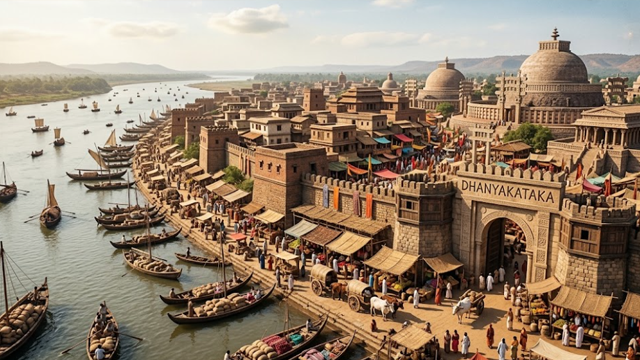
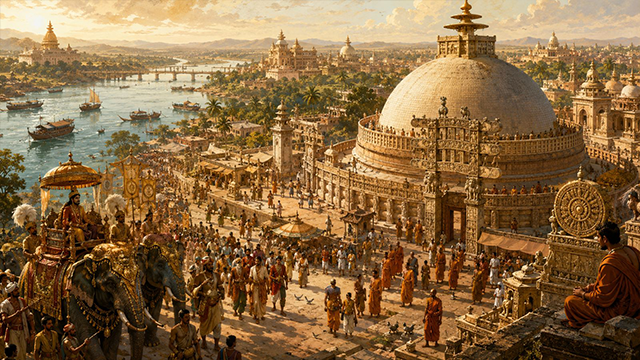
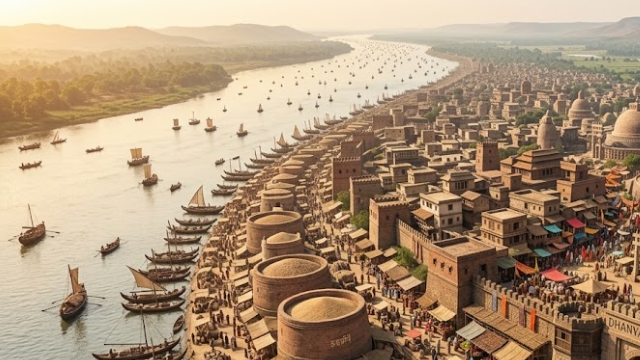
Dhanyakataka - “the fortress of grain” - served as the political capital of the Satavahana dynasty from the 2nd century BCE to the 3rd century CE, its markets and its river both flowing without end. It flourished as a prominent center of the Mahasanghika sect of Buddhism.

ధాన్యకటకం అంటే “ధాన్యపు కోట” లేదా ధాన్యాలు సమృద్ధిగా లభించే ప్రాంతం అని అర్థం వస్తుంది. క్రీ.పూ. 2వ శతాబ్దం నుండి క్రీ.శ. 3వ శతాబ్దం వరకు శాతవాహన పాలకులకు రాజకీయ మరియు పరిపాలనా రాజధానిగా సేవలందించింది. బౌద్ధమతంలో మహాసాంఘిక విభాగానికి ఒక ప్రముఖ కేంద్రంగా వర్ధిల్లింది. శాతవాహన సంతలు, పక్కనే క్రిష్ణా నది - రెండూ అంతులేకుండా ప్రవహిస్తున్నాయి.

Amarāvati Saga – Scene 17
Chapter 20

The Amaravati Mahachaitya అమరావతి మహాచైత్యం

Here rose the Amaravati Mahachaitya - one of the most accomplished works of ancient Buddhist architecture. Its limestone carvings, worked between the 2nd century BCE and the 3rd century CE, remain among the finest ever produced in India.

విశిష్టమైన కళానైపుణ్యంతో నిర్మించబడిన ప్రాచీన బౌద్ధ నిర్మాణమైన అమరావతి మహాచైత్యం (గొప్ప స్థూపం) ఇక్కడే ఉంది. శాతవాహనులు మరియు తదనంతరం ఇక్ష్వాకుల పోషణలో, క్రీ.పూ. 2వ శతాబ్దం మరియు క్రీ.శ. 3వ శతాబ్దం మధ్య కాలంలో అమరావతి శిల్పకళారూపం రూపుదిద్దుకుంది. కృష్ణా నది సమీపంలో లభించిన తెల్లటి సున్నపురాతి బౌద్ధ చెక్కడాలకు ఇది ఎంతో ప్రసిద్ధి చెందింది.

Section IV

India, the World's Sole Diamond Source - before else sources were found ప్రపంచ ఏకైక వజ్రాల మూలం - ప్రపంచానికి మరే వనరు లభించకముందు

Amarāvati Saga – Scene 18
Chapter 21

The World's Only Diamonds ప్రపంచ ఏకైక వజ్రాల మూలం

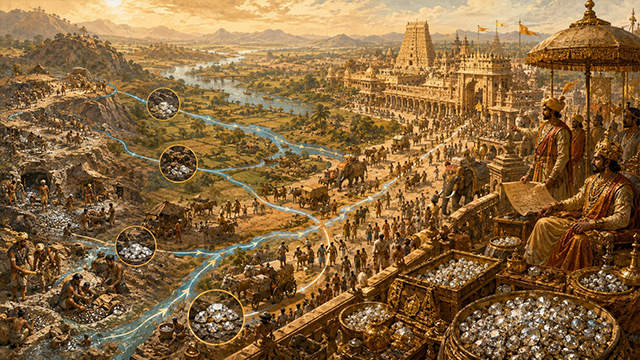
Vijayanagara Empire: Until the 18th century, India was the world's sole source of diamonds. Under the Vijayanagara Empire (1336-1646 CE), gems drawn from the Krishna, Godavari, and Penna river basins were sold, unweighed, by the street-load.

విజయనగర సామ్రాజ్యం: 18వ శతాబ్దం వరకు, ప్రపంచంలో వజ్రాలు మరియు రత్నాలకు భారతదేశం మాత్రమే ఏకైక ఆధారంగా ఉండేది. విజయనగర సామ్రాజ్య కాలంలో వీధుల్లోని సంతలలో రత్నాలు, ఆభరణాలను రాశులుగా పోసి అమ్మేవారు. విజయనగర సామ్రాజ్యం క్రీ.శ. 1336 నుండి 1646 వరకు దాదాపు 300 ఏళ్లకు పైగా వర్ధిల్లింది, కృష్ణా, గోదావరి, పెన్నా నదీ పరివాహక ప్రాంతాలలోని సమృద్ధియైన వజ్రాల గనులపై అదుపు సాధించడం ద్వారా అపారమైన సంపదను సమకూర్చుకుంది.

Amarāvati Saga – Scene 19
Chapter 22

The Mine That Made Kings కొల్లూరు గని - కోహినూర్

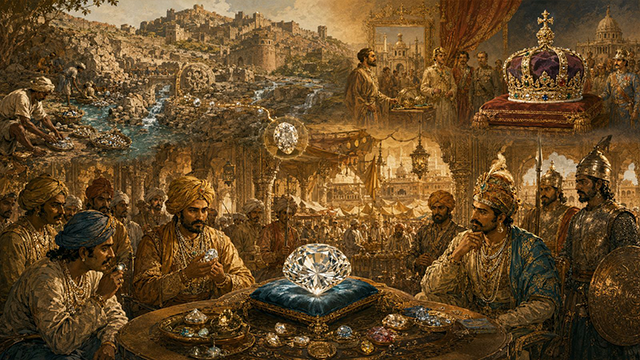
Among the richest diamond mines in human history, Kollur - worked from the 16th to the 19th century - sent its finest stones through the Golconda market to sultans and emperors. From its depths came the Kohinoor: a stone beyond price, now set within the British Crown Jewels.

మానవ చరిత్రలోనే అత్యంత సమృద్ధిగా వజ్రాలు లభించిన గనులలో కొల్లూరు గని ఒకటి. ఇది 16వ శతాబ్దంలో ప్రారంభమై 19వ శతాబ్దం వరకు కొనసాగింది. విజయనగర పాలిత ప్రాంతాలలో లభించిన అనేక రత్నాలు గోల్కొండ మార్కెట్ ద్వారా విక్రయించబడేవి. కొల్లూరు గని నుండి లభించిన ప్రసిద్ధ వజ్రాలలో 'కోహినూర్' ఒకటి. దీని విలువ విడిగా లెక్కించలేనప్పటికీ, ఇది నేడు బ్రిటన్ రాజమకుటంలో భాగం.

Amarāvati Saga – Scene 18
Chapter 23

City of Tolerance సహనానికి మారుపేరైన నగరం

Today’s Amaravathi land once historically called the "City of Tolerance" because Buddhism, Jainism, and Hinduism thrived there together in peace at Dharanikota. Ancient rulers of the region did not force one religion on the people. All three religions supported non-violence, peace, and respect for all living things and shared values in this sacred land.

నేటి అమరావతి- ధరణికోట ప్రాంతాన్ని చారిత్రకంగా "సహనానికి మారుపేరైన నగరం" (City of Tolerance) అని పిలుస్తారు, ఎందుకంటే ఇక్కడ బౌద్ధం, జైనం మరియు హిందూ మతాలు కలిసి శాంతియుతంగా వికసించాయి. ఈ ప్రాంతపు ప్రాచీన పాలకులు ప్రజలపై ఏ ఒక్క మతాన్ని బలవంతంగా రుద్దలేదు. ఈ మూడు మతాలు అహింస, శాంతి, సమస్త జీవుల పట్ల గౌరవాన్ని ప్రోత్సహించడమే కాకుండా ఈ పవిత్ర భూమిలో ఉమ్మడి విలువలను పంచుకున్నాయి.

Amarāvati Saga – Scene 19
Chapter 24

Amaravati as a hub of art and commerce కళ, వాణిజ్య కేంద్రంగా అమరావతి

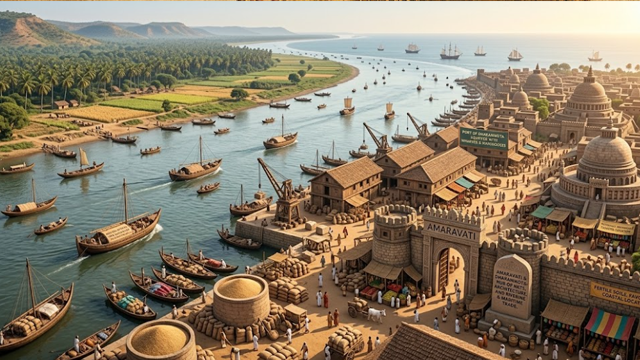
Situated along the banks of the Krishna River, the city of Amaravati emerged as a major hub for the arts, architecture, and maritime trade. Ancient maritime trade flourished in the Krishna River basin, driven by fertile soils and a favorable coastal location. Dharanikota, near Amaravati, served as a massive inland port equipped with wharves and warehouses; boats transported goods along the river to the Bay of Bengal, connecting local regions with international maritime routes.

కృష్ణా నది తీరం కారణంగా అమరావతి నగరం కళలకు, వాస్తుశిల్పానికి మరియు సముద్ర వాణిజ్యానికి ప్రధాన కేంద్రంగా నిలిచింది. సారవంతమైన నేలలు మరియు అనుకూలమైన తీరప్రాంతం వల్ల కృష్ణా నదీ పరివాహక ప్రాంతంలో ప్రాచీన సముద్ర వాణిజ్యం బాగా వర్ధిల్లింది. అమరావతి సమీపంలోని ధరణికోట రేవు మరియు గిడ్డంగులతో కూడిన ఒక భారీ అంతర్గత నౌకాశ్రయంగా సేవలందించింది. పడవలు నది గుండా బంగాళాఖాతానికి సరుకులను రవాణా చేస్తూ, స్థానిక ప్రాంతాలను అంతర్జాతీయ నౌకా మార్గాలతో అనుసంధానించేవి.

Amarāvati Saga – Scene 18
Chapter 25

Major ancient seaports ప్రధాన ప్రాచీన నౌకాశ్రయాలు

Dharanikota (Amaravati), Ghantasala, Motupalli, and Machilipatnam (Masulipatnam/Maisolia): Situated at the Krishna river delta to banks of the Bay of Bengal, this region served as a crucial inland trade hub along the riverbank. Archaeological excavations reveal that Roman merchants resided here to procure cotton, gemstones, Kalamkari textiles, and spices. Imports included pottery, gold, wine, and Roman coins. It flourished as a prominent seaport for foreign trade during the Gupta dynasty. It served as a major coastal trading hub-a focal point for international commerce-handling the movement of large ships. It functioned as a key gateway for trade during the Satavahana Empire (1st century BCE - 2nd century CE) and the era of European trading companies (Portuguese, Dutch, British, and French; 16th-18th centuries). It also maintained trade relations with ancient Rome, Arabia, Persia, Southeast Asia, and Sri Lanka. There was an inland trade route connecting Machilipatnam to Amaravati/Dharanikota.

ధరణికోట (అమరావతి), ఘంటసాల, మోటుపల్లి, మచిలీపట్నం (మసులీపట్నం/మైసోలియా): నదీ ముఖద్వారం (డెల్టా) వద్ద ఉన్న ఈ ప్రాంతం, నదీ తీరాన ఉన్న ఇది ఒక కీలకమైన అంతర్గత వాణిజ్య కేంద్రం. రోమన్ వర్తకులు పత్తి, రత్నాలు, కలంకారి వస్త్రాలు మరియు సుగంధ ద్రవ్యాలను కొనుగోలు చేయడానికి ఇక్కడ నివసించారని పురావస్తు తవ్వకాలు వెల్లడిస్తున్నాయి. మట్టి పాత్రలు, బంగారం, మద్యం (వైన్) మరియు రోమన్ నాణేలాలు దిగుమతులు. గుప్తుల రాజవంశ కాలంలో విదేశీ వాణిజ్యానికి ఒక ప్రముఖ సముద్ర నౌకాశ్రయంగా విలసిల్లింది. మధ్యయుగంలో అంతర్జాతీయ వాణిజ్యానికి కేంద్ర బిందువుగా ఉండి, పెద్ద ఓడల రాకపోకలను నిర్వహించిన ప్రధాన తీరప్రాంత వాణిజ్య కేంద్రం. ఇది సాతవాహన సామ్రాజ్యం (1వ శతాబ్దం BCE - 2వ శతాబ్దం CE) కాలంలో, యూరోపియన్ వర్తక సంస్థలు (పోర్చుగీస్, డచ్, బ్రిటిష్, ఫ్రెంచ్ - 16వ-18వ శతాబ్దాలు) కాలంలో ప్రధాన వాణిజ్య ద్వారంగా పనిచేసింది మరియు ప్రాచీన రోమ్, అరేబియా, పర్షియా, ఆగ్నేయాసియా, శ్రీలంక దేశాలతో వాణిజ్య సంబంధాలు కలిగి ఉంది. మచిలీపట్నం నుండి అమరావతి/ధరణికోటకు అంతర్గత వాణిజ్య మార్గం ఉండేది.

Amarāvati Saga – Scene 12
Chapter 26

The Dalai Lama's Kalachakra Teaching దలైలామా కాలచక్ర ఉపదేశం

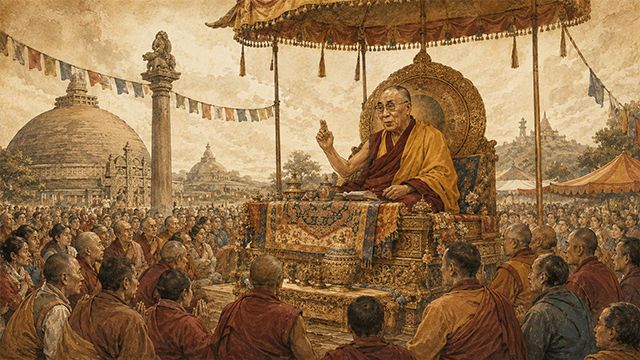
Both Mahayana and Vajrayana Buddhism flourished around Amaravati, and the region's Buddhist heritage is far from silent: in January 2006, the Dalai Lama gave a Kalachakra initiation on this very ground.

అమరావతి ప్రాంతంలో మహాయాన, వజ్రయాన బౌద్ధ మతాలు రెండూ విలసిల్లాయి. ఈ సంప్రదాయం నేటికీ సజీవం - జనవరి 2006లో దలైలామా అమరావతిలో కాలచక్ర ఉపదేశాన్ని అందించారు.

Section V

The People's Capital of Andhra Pradesh నవ్యాంధ్రప్రదేశ్ రాజధాని

Amarāvati Saga – Scene 18
Chapter 27

The modern capital of the Andhra people ఆంధ్రుల ఆధునిక రాజధాని

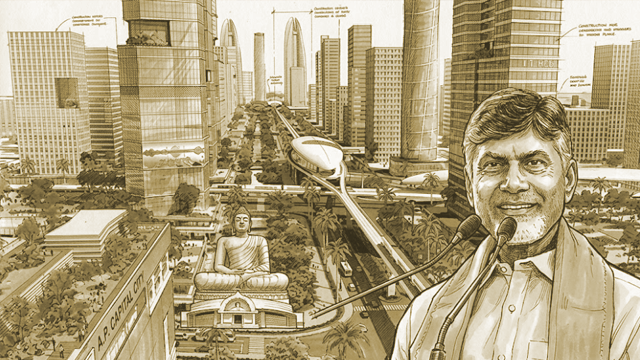
Amaravati is chosen to be the new People’s Capital city by Sri Chandra Babu Naidu, the first Hon'ble Chief Minister of Andhra Pradesh - the new sun rise state, after the bifurcation of the state in 2014, with the previous capital Hyderabad becoming part of Telangana.

2014లో రాష్ట్ర విభజన జరిగి, అప్పటి రాజధాని హైదరాబాద్ తెలంగాణలో భాగమైన తర్వాత, నూతనంగా ఆవిర్భవించిన నవ్యాంధ్రప్రదేశ్ రాష్ట్ర మొదటి ముఖ్యమంత్రిగా ఉన్న గౌరవనీయ శ్రీ చంద్రబాబు నాయుడు గారు 'అమరావతి'ని ప్రజల రాజధాని నగరంగా ఎంపిక చేశారు.

Amarāvati Saga – Scene 19
Chapter 28

Country's first Greenfield Smart City దేశపు మొట్టమొదటి గ్రీన్‌ఫీల్డ్ స్మార్ట్ సిటీ

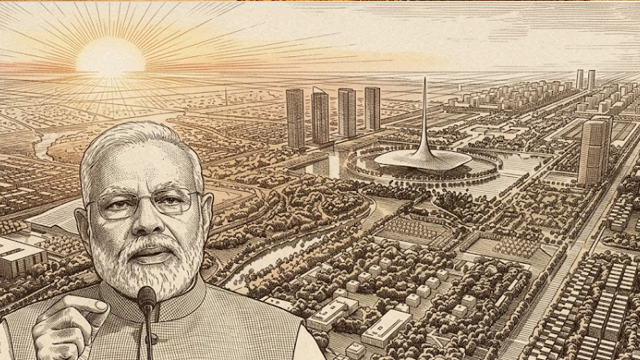
Hon'ble Prime Minister Narendra Modi also hopes that being the country's first Greenfield smart city, an economic and business hub, energy efficient and sustainable city, Amaravati will be a model for his government's urbanization effort and the initiative to develop 100 Smart Cities. Finally, the development of Amaravati started.

దేశంలోనే మొట్టమొదటి 'గ్రీన్‌ఫీల్డ్' స్మార్ట్ సిటీగా, అలాగే ఆర్థిక-వాణిజ్య కేంద్రంగా మరియు ఇంధన సామర్థ్యం కలిగిన సుస్థిర నగరంగా... అమరావతి ప్రభుత్వ పట్టణీకరణ ప్రయత్నాలకు మరియు 100 స్మార్ట్ సిటీల అభివృద్ధి కార్యక్రమానికి ఒక ఆదర్శంగా నిలుస్తుందని గౌరవనీయ ప్రధాని శ్రీ నరేంద్ర మోదీ ఆశిస్తున్నారు. ఎట్టకేలకు అమరావతి రాజధాని అభివృద్ధి ప్రక్రియ ప్రారంభమైంది.

The Story Closes గాథ ముగింపు

NEVER ENDING CHRONICLE - The River Remembers forever ముగింపు లేని అమర గాథ - నది ఎప్పటికీ గుర్తుంచుకుంటుంది

Empires rose from this soil and returned to it. Gods were landed here before their temples had names, and a wheel of teaching turned here before it found a home elsewhere. The Krishna still flows past Dhanyakataka, past Amaravati - the dwelling place of the immortals - carrying, quietly, everything that ever happened on its banks!

ఈ నేల మీద సామ్రాజ్యాలు పుట్టి, ఇదే నేలలో లీనమయ్యాయి. దేవాలయాలకు పేర్లు రాకముందే ఇక్కడ దేవతలు నడయాడారు, మరో చోట నిలయం వెతుక్కునే ముందే ఇక్కడ ధర్మచక్రం తిరిగింది. కృష్ణా నది నేటికీ ధాన్యకటకం గుండా, అమరావతి గుండా ప్రవహిస్తూనే ఉంది - ఈ ఒడ్డున జరిగిన ప్రతి కథనూ మౌనంగా మోసుకెళుతూ!

AMARĀ CHRONICLES

2018 - 2026 AMARA Chronicles. ©Content: School of Computer Graphics® & Democratic Corporate (formerly - CGManifest®)